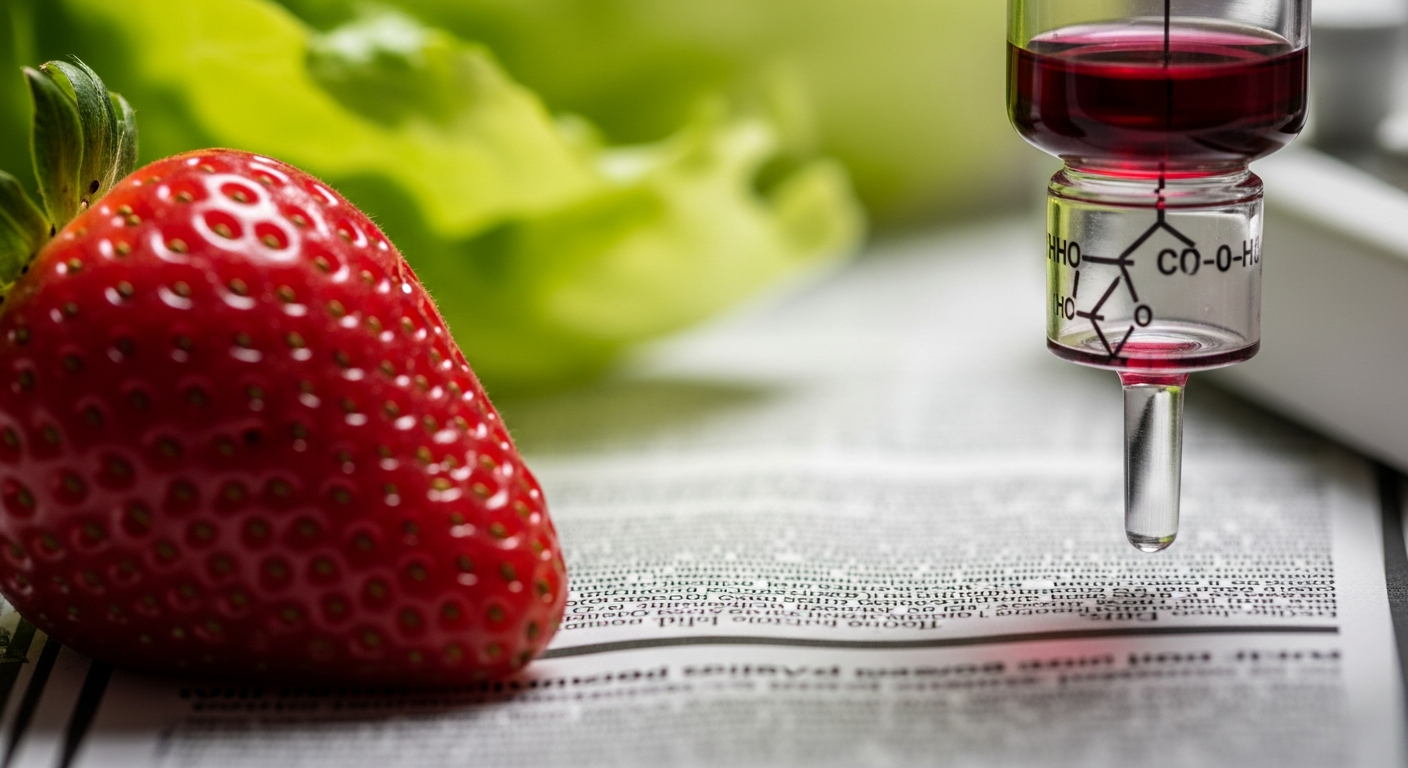
FDA Detects PFAS in 7% of Food Samples as EPA Greenlights PFAS Pesticides on Crops
The FDA's latest round of food testing found PFAS, the synthetic compounds known as "forever chemicals," in 7.2% of 542 food samples collected across the United States. The contaminated foods include cod, shrimp, clams, salmon, beef, chicken, dairy products, and kale. Despite confirming the presence of these persistent chemicals in everyday groceries, the FDA declined to set any enforceable limits on PFAS levels in food.
That same month, in January 2026, the EPA approved new PFAS-containing pesticides for direct application on romaine lettuce, broccoli, potatoes, corn, soybeans, and wheat. One federal agency confirmed the contamination. Another expanded it.
What Are PFAS and Why They Matter
PFAS (per- and polyfluoroalkyl substances) are a class of roughly 15,000 synthetic chemicals used in nonstick coatings, food packaging, firefighting foam, and agricultural products. They earned the name "forever chemicals" because they do not break down in the environment or in the human body. Once ingested, PFAS accumulate in blood, organs, and tissue over a lifetime of exposure.
The CDC has confirmed that 97% of Americans carry PFAS in their bloodstream. Exposure has been linked to increased cancer risk, thyroid disease, immune system suppression, reproductive harm, and developmental delays in children. There is no established safe threshold for PFAS in food, and the FDA has not set one.
The FDA Findings
The contamination data comes from the FDA's Total Diet Study, a thorough, ongoing sampling program that tests foods purchased from retail stores in their ready-to-eat form. It is one of the most authoritative food safety monitoring efforts in the country.
Out of 542 samples tested, 39 returned positive for one or more PFAS compounds. That 7.2% detection rate spans a troubling range of everyday foods. Seafood showed the highest contamination rates: cod, shrimp, clams, and salmon all tested positive. But the chemicals also appeared in beef, chicken, dairy, and leafy greens like kale, according to the Environmental Working Group's analysis of the FDA data published in December 2025.
The FDA acknowledged the findings but stopped short of regulatory action. No maximum allowable limits were proposed. No advisory warnings were issued for high-risk food categories. The agency's position remains that it is "continuing to evaluate" PFAS in food, a stance it has maintained for years while contamination data accumulates.
"FDA found PFAS across multiple food categories but declined to establish legal maximum levels," the Environmental Working Group reported in its December 2025 analysis of the testing results.
EPA Approves PFAS Pesticides for Six Major Crops
While the FDA was publishing contamination data, the EPA moved in the opposite direction. In January 2026, the agency approved new pesticide formulations containing PFAS for use on six widely consumed food crops: romaine lettuce, broccoli, potatoes, corn, soybeans, and wheat.
PFAS-containing chemicals can now be sprayed directly onto crops that form the backbone of the American diet. As KALW Public Media reported on January 5, 2026, the agricultural application of PFAS creates contamination pathways that extend well beyond the treated fields. The chemicals enter soil, leach into groundwater, and run off into nearby waterways. Plants absorb PFAS through their root systems, making the chemicals part of the food itself.
This is not a theoretical risk. Research has established that plants readily take up PFAS from contaminated soil and water. The approved crops (corn, soybeans, wheat, potatoes, lettuce, broccoli) represent staple ingredients found in thousands of processed and whole foods sold in every grocery store in the country.
A Regulatory Contradiction
The timing is difficult to explain as anything other than a systemic failure of food safety governance.
The FDA's Total Diet Study confirms that PFAS already contaminates a measurable share of the American food supply. The agency's own data shows forever chemicals in seafood, meat, dairy, and produce. Yet the FDA has not translated those findings into enforceable limits, mandatory testing, or consumer advisories.
At the same time, the EPA has approved new pathways for PFAS to enter the food supply through direct agricultural application. The six approved crops are not specialty items. They are corn, wheat, soybeans, potatoes, lettuce, and broccoli. These foods appear in school lunches, baby food, fast food, and home-cooked meals across the country.
The result is a system where one federal agency documents the problem while another makes it worse. Neither agency has established a legal maximum for PFAS in food. Neither agency has required food manufacturers to test for or disclose PFAS contamination. And consumers are left without any federal standard to protect them.
What This Means for You
The gap between what federal agencies know about PFAS contamination and what they are willing to do about it puts the burden of protection on consumers.
Certain food categories carry higher risk based on the FDA's own testing data. Seafood (particularly cod, shrimp, clams, and salmon), beef, chicken, dairy, and kale all showed PFAS contamination. The six crops now approved for PFAS pesticide application (romaine lettuce, broccoli, potatoes, corn, soybeans, wheat) represent an additional layer of risk.
To reduce exposure, choose products that have been independently tested for PFAS, favor foods grown without PFAS-containing pesticides, and pay attention to sourcing and origin. VeriFoods tracks PFAS contamination data across food categories, letting users check specific products and food types against known contamination patterns before buying.
The absence of federal limits does not mean the risk is low. It means the regulatory system has not caught up with its own findings. Until enforceable standards exist, informed purchasing decisions remain the most effective tool consumers have to limit their families' exposure to forever chemicals in food.
Stay ahead of the label.
Get early access to VeriFoods and be the first to see what's really in your food.
Sources
- Environmental Working Group - "FDA finds toxic 'forever chemicals' in food but still won't set enforceable limits" - December 2025. https://www.ewg.org/news-insights/statement/2025/12/fda-finds-toxic-forever-chemicals-in-food-still-wont-set-enforceable
- KALW Public Media - "EPA approves pesticides containing forever chemicals for use on food" - January 5, 2026. https://www.kalw.org/show/your-call/2026-01-05/epa-approves-pesticides-containing-forever-chemicals-for-use-on-food
- Food Safety Magazine - "Latest FDA Total Diet Study Testing Finds PFAS in 7 Percent of Samples" - January 2026. https://www.food-safety.com/articles/11002-latest-fda-total-diet-study-testing-finds-pfas-in-7-percent-of-samples
Related Articles
The EPA Just Approved More 'Forever Chemical' Pesticides on Your Food
In November 2025, the EPA approved multiple PFAS-containing pesticides for use on food crops including oranges,...
FDA Finds PFAS in Your Food But Refuses to Set Safety Limits
The FDA's own testing found PFAS 'forever chemicals' in 7% of food samples — including shrimp, beef, chicken, and milk...

EPA Rolls Back PFAS Water Protections: 73 Million Americans Left Exposed to 'Forever Chemicals'
EPA rollback leaves 73 million Americans exposed to PFAS forever chemicals as four compound standards are eliminated...