PFAS in Pesticides: Hidden 'Forever Chemicals' Threaten U.S. Food Supply
By VeriFoods
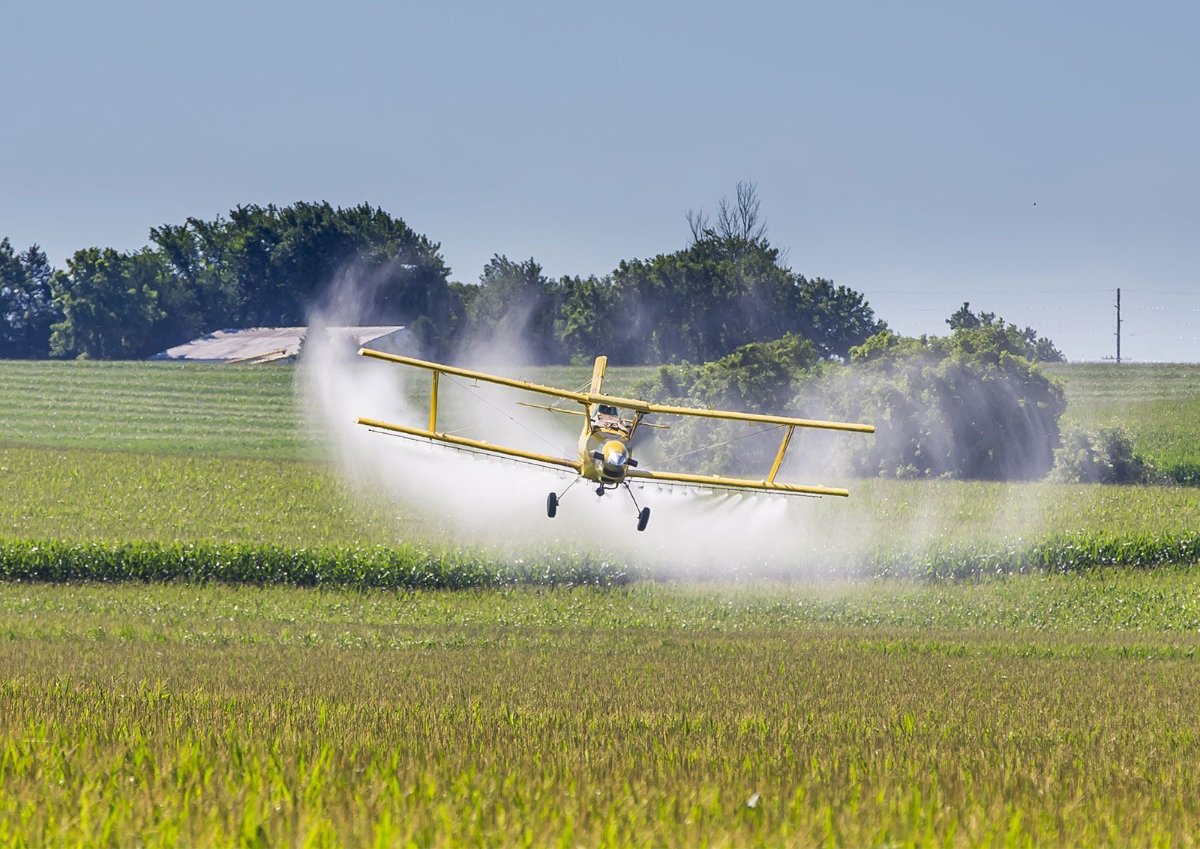
A recent study has brought to light a deeply concerning practice in American agriculture: the intentional use of "forever chemicals" known as PFAS on food crops. These substances, formally called per- and polyfluoroalkyl substances, have been detected in pesticides sprayed across major U.S. farmlands, raising urgent questions about the safety of our food supply.
Researchers published their findings in Environmental Science & Technology after analyzing data from the U.S. Environmental Protection Agency and state agricultural departments. Their investigation revealed that, between 2015 and 2023, more than 2.5 million pounds of pesticides containing PFAS were applied to crops in California alone. California, as the nation’s top agricultural producer, grows a significant portion of the country’s almonds, grapes, tomatoes, and strawberries. These are not only staples in American households but are also exported around the globe.
Bernadette Del Chiaro, senior vice president of the Clean Food Campaign, expressed her alarm in an interview with The Cool Down: "This doesn't make sense to deliberately be spraying these on California's food. It's a risk of contamination of our food." Her concern is well-founded. PFAS are nicknamed "forever chemicals" because they do not naturally break down, meaning they can persist in the environment and in our bodies for years, if not a lifetime.
The health implications of PFAS exposure are significant. Studies have linked these chemicals to cancer, kidney and liver disease, immune system disruption, and birth defects. The risks are especially high for farmworkers, who often face repeated exposure and are already vulnerable due to low incomes and limited access to healthcare. Communities living near agricultural regions may also be at risk, as PFAS can contaminate groundwater and drinking water supplies.
While the EPA has started to phase out certain PFAS in consumer goods, their continued use in agriculture has largely escaped public scrutiny. The authors of the study are calling for urgent regulatory changes: a ban on PFAS in pesticides and more comprehensive monitoring of food for contamination.
At VeriFoods, we take these findings seriously. Our approach is rooted in the precautionary principle: we believe food should be as close to nature as possible, and that the long-term effects of synthetic chemicals like PFAS cannot be fully known. That’s why we conduct extensive independent testing for PFAS, along with other contaminants such as heavy metals, pesticides, and microplastics, across thousands of everyday food products.
Will this change make a difference?
Advocates are demanding greater transparency from food producers and stronger federal oversight to ensure public health is protected. As consumers become more aware of these hidden risks, the pressure on regulators and industry leaders to act is mounting. At VeriFoods, we are committed to empowering you with the information you need to make safer choices for your family.
References:
Environmental Science & Technology, as cited in The Cool Down, "Bombshell study reveals concerning substances being added to US crops: 'A risk of contamination of our food'", 2026-01-08.
Related Articles
The Chemicals in Your Blood You've (Probably) Never Heard Of
PFAS are a family of over 14,000 synthetic compounds—are found in non-stick pans, waterproof clothing, food packaging,...

PFAS in Beer: What Every Pint Lover Should Know Now
By VeriFoods PFAS in Your Pint: What Beer Drinkers Need to Know Beer is often associated with relaxation and social...
States Win Big Against PFAS Manufacturers While Product Bans Expand
The $840 Million Question In June 2025, the fight against "forever chemicals" reached a tipping point. While federal...