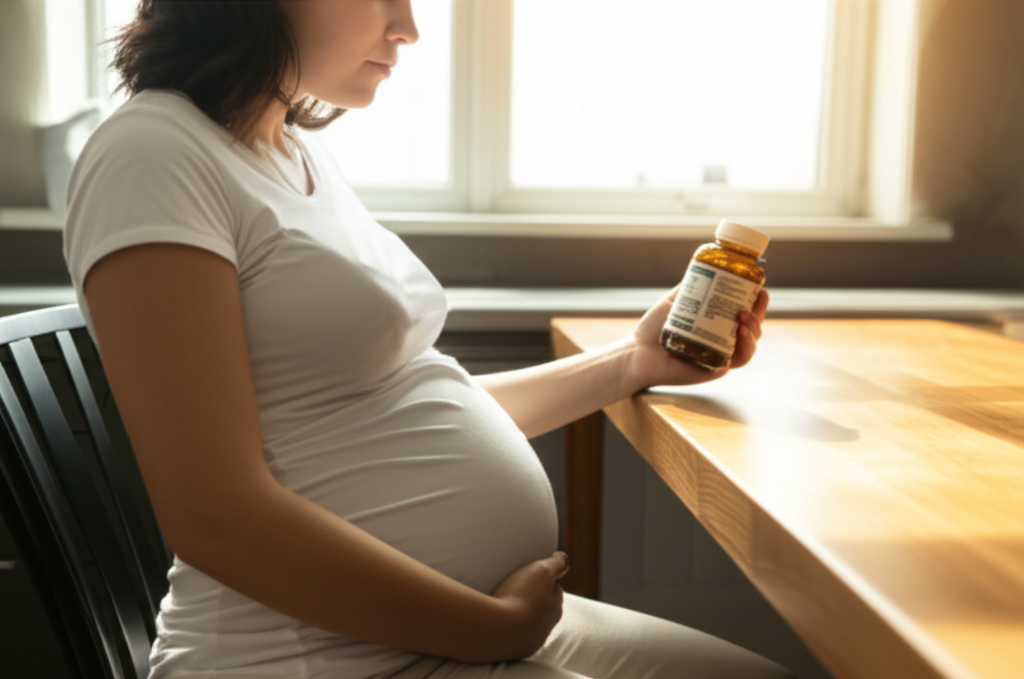
83% of Prenatal Vitamins Contain Lead, Peer-Reviewed Study Finds
Prenatal vitamins are the one supplement nearly every obstetrician tells pregnant women to take. A peer-reviewed study published in Environmental Research found that 83% of over-the-counter prenatal vitamins contain detectable lead, and 73% contain cadmium. The very products recommended to protect developing babies are delivering toxic heavy metals along with their folic acid and iron.
What Researchers Found
A team from the University of Miami, Clean Label Project, and Ellipse Analytics tested 156 commercial prenatal vitamins, 9 prescription prenatal supplements, and 19 folate/folic acid supplements. The results, published in Environmental Research in February 2025, showed contamination was pervasive.
Lead exceeded the limit of quantification in 83% of over-the-counter prenatal vitamins. Fifteen percent of those commercial products exceeded California's Proposition 65 threshold of 0.5 micrograms of lead per serving. Prescription prenatals were just as contaminated. Lead and cadmium exceeded quantifiable limits in 7 of 9 prescription products tested, and one-third exceeded the Prop 65 lead threshold.
According to analysis by Unleaded Kids, commercial prenatal vitamins averaged 79 parts per billion (ppb) of lead, with the worst offender reaching 900 ppb. Prescription prenatals averaged 91 ppb and topped out at 2,380 ppb of lead. Commercial products averaged 45 ppb cadmium, with a maximum of 485 ppb.
The contamination was not limited to heavy metals. The phthalate DEHP, an endocrine-disrupting chemical linked to reproductive harm, was detected in 25% of products. Another phthalate, DBP, appeared in 13%.
One finding offers consumers a practical clue: product form matters. Gummies and soft gels had lead levels below quantifiable limits, while tablets and capsules carried measurable amounts. The study authors did not speculate on why, but the difference was consistent across brands.
Why This Matters for Pregnant Women
Lead crosses the placenta. There is no safe level of lead exposure for a developing fetus, according to the CDC and the World Health Organization. Even low-level lead exposure during pregnancy has been associated with reduced birth weight, preterm delivery, and developmental delays in children.
Cadmium is classified as a known human carcinogen by the International Agency for Research on Cancer. It is also a reproductive toxicant. The metal accumulates in the kidneys over time and interferes with calcium metabolism, a particular concern during pregnancy when calcium demands spike.
Phthalates like DEHP disrupt the endocrine system. Prenatal exposure to DEHP has been linked to altered reproductive development, particularly in male fetuses. That these chemicals showed up in a product specifically designed for pregnant women points to a fundamental failure of manufacturing oversight.
The study authors wrote that "clear and enforceable regulations regarding frequent testing and restriction of lead and cadmium" are necessary for prenatal vitamin safety.
The Regulatory Gap
No U.S. federal law requires vitamin manufacturers to test their products for heavy metals or disclose contamination levels to consumers. Dietary supplements operate under a different regulatory framework than pharmaceuticals. The FDA does not approve supplements before they go to market. Companies police their own quality, and there is no mandatory testing or reporting standard for heavy metal content.
California's Proposition 65 sets a threshold of 0.5 micrograms per serving for lead, but it only requires a warning label, not removal from shelves. For the rest of the country, there is no threshold at all.
This means a pregnant woman in Texas or Ohio can buy a prenatal vitamin containing lead at levels that would trigger a warning in California, and she would never know.
California Pushes for Transparency
The study's findings helped fuel a legislative response. On April 2, 2025, actress and mother of twins Hilary Swank testified before the California Senate Health Committee in support of SB 646, a bill introduced by Senator Akilah Weber Pierson.
"As a mom and entrepreneur, I am deeply committed to protecting my family and your families," Swank told the committee. "We know prenatal vitamins are essential for maternal and fetal health, but recent studies show that far too many contain heavy metals that can harm developing babies."
SB 646 would require prenatal vitamin manufacturers to test their products for heavy metals and publicly disclose the results. By 2027, products sold in California would need QR codes on packaging linking consumers to test results. The bill is co-sponsored by the Environmental Working Group, the American College of Obstetricians and Gynecologists, and Unleaded Kids.
Melanie Benesh, EWG's Vice President of Government Affairs, framed the stakes plainly: "Pregnant people deserve to know what's in the vitamins they rely on for their health and their baby's development."
The bill builds on California's Assembly Bill 899, passed in 2023, which established similar transparency requirements for baby food. If SB 646 passes, California would become the first state to mandate heavy metal testing and disclosure for prenatal supplements.
What You Can Do
The study's findings do not mean pregnant women should stop taking prenatal vitamins. The nutritional benefits of folic acid, iron, and other nutrients remain well-established for preventing birth defects and supporting fetal development. But consumers should be more deliberate about which products they choose.
Based on the study data, consider these steps:
Choose gummies or soft gels over tablets and capsules. The study found that gummy and soft gel forms had lead levels below quantifiable limits, while tablets and capsules carried measurable contamination. This is the single most actionable finding from the research.
Look for brands that voluntarily disclose third-party testing results. Some manufacturers, particularly those certified by organizations like Clean Label Project, submit their products for independent heavy metal testing. If a brand does not publish test results, consider that a red flag.
Check for Prop 65 warnings. If you are shopping online, California's Prop 65 disclosures can serve as a useful signal, even if you live in another state. A product that triggers a Prop 65 warning for lead has exceeded 0.5 micrograms per serving.
Use independent testing tools. Apps like VeriFoods allow consumers to scan product barcodes and check whether items have been independently tested for contaminants including heavy metals, pesticides, and phthalates. When manufacturers will not disclose what is in their products, independent verification becomes the only option.
Talk to your healthcare provider. If you are currently taking a tablet or capsule prenatal vitamin and want to switch forms, discuss the change with your OB-GYN or midwife to ensure you are still meeting your nutritional needs.
The Bigger Picture
This study joins a growing pile of evidence that the U.S. supplement industry operates with too little oversight. Prenatal vitamins are not a niche product. Roughly 3.6 million women give birth in the United States each year, and the vast majority take prenatal vitamins throughout pregnancy. That is an enormous exposure footprint.
The California legislation represents a model that other states could follow: require testing, require disclosure, and let consumers make informed decisions. Until federal regulators act, state-level transparency mandates and independent testing may be the most effective tools available to protect pregnant women and their babies.
The data is clear. The question is whether the industry and regulators will respond with the urgency that 83% contamination rates demand.
Sources
- https://pubmed.ncbi.nlm.nih.gov/40020868/ - Environmental Research, "Heavy metals and phthalate contamination in prenatal vitamins and folic acid supplements," February 26, 2025
- https://unleadedkids.org/study-lead-in-prenatal-vitamins/2025/04/01/ - Unleaded Kids, "Lead in Food: New Study Shows High Lead Levels in Prenatal Vitamins," April 1, 2025
- https://www.ehn.org/heavy-metals-phthalates-prenatal-vitamins - Environmental Health News, "Scientists find heavy metals and phthalates in prenatal vitamins," March 27, 2025
- https://www.ewg.org/news-insights/news-release/2025/04/hilary-swank-backs-california-bill-advocating-prenatal-vitamin - Environmental Working Group, "Hilary Swank backs California bill advocating prenatal vitamin heavy metals testing, disclosure," April 2, 2025
- https://cleanlabelproject.org/new-study-finds-widespread-heavy-metal-contamination-in-prenatal-vitamins/ - Clean Label Project, "New Study Finds Widespread Heavy Metal Contamination In Prenatal Vitamins," April 1, 2025
Related Articles
The EU Banned BPA From All Food Packaging. The FDA Missed Its Deadline by 1,000 Days.
On January 20, 2025, the European Union banned bisphenol A from every category of food contact material. Metal can...
Lead Found in 34 of 41 Baby Formulas Tested by Consumer Reports
Consumer Reports tested 41 powdered infant formulas in March 2025 and found lead in 34 of them. Eighteen of those...
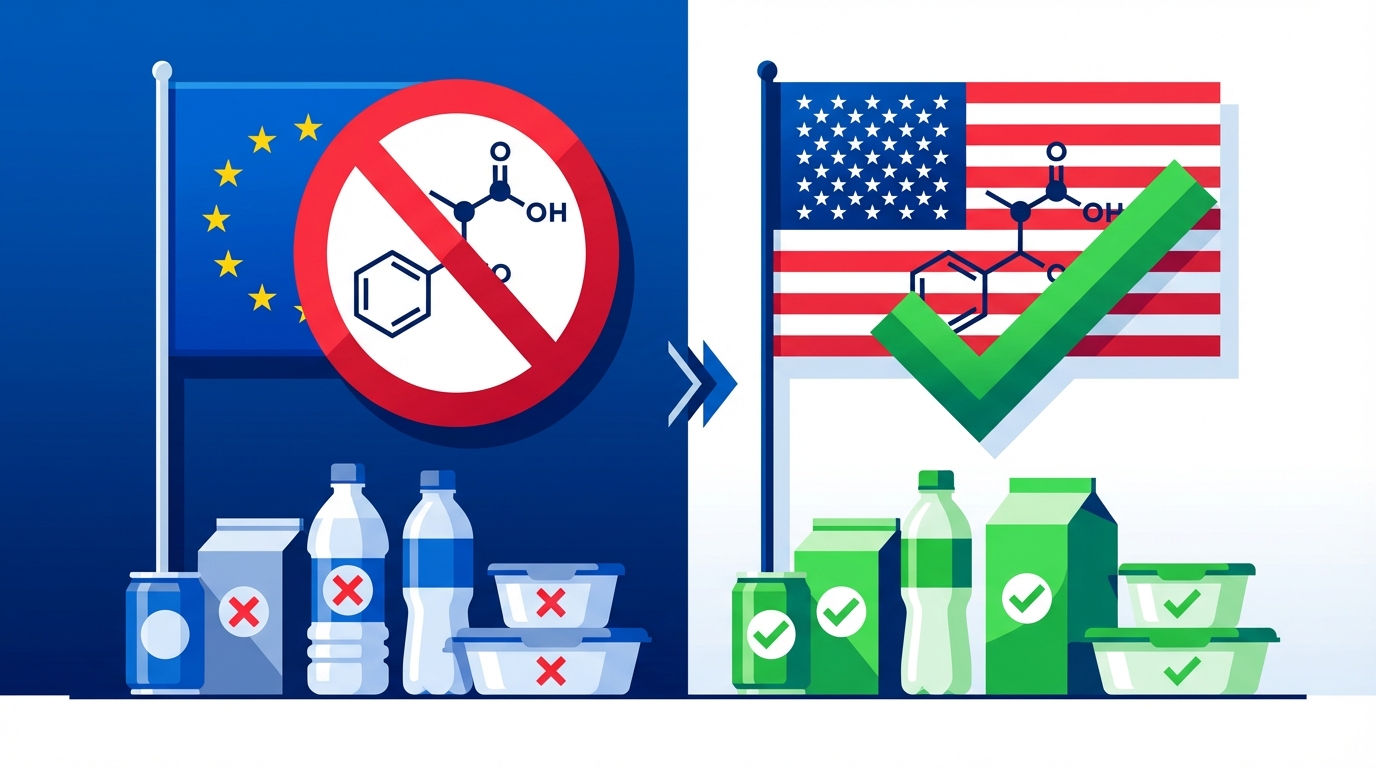
EU Bans BPA in All Food Packaging While FDA Calls It 'Safe'
On January 20, 2025, the EU banned BPA and other bisphenols from all food packaging after concluding the safe daily...