
Glyphosate Causes Cancer in Rats at Supposedly 'Safe' Doses
An international study published in the peer-reviewed journal Environmental Health has found that glyphosate and two commercial herbicide formulations caused multiple types of cancer in rats at doses currently considered safe by regulatory agencies in both the European Union and United States. The findings directly challenge existing safety assessments for the world's most widely used weed killer.
Context
Glyphosate is the active ingredient in popular herbicides like Roundup and is the most heavily applied pesticide in history. It's sprayed on crops including corn, soybeans, wheat, and oats, which means residues regularly turn up in common foods like bread, cereal, and baby food. For years, regulatory agencies have maintained that glyphosate is safe at certain exposure levels, setting what they call an Acceptable Daily Intake (ADI) and a No Observed Adverse Effect Level (NOAEL).
The debate over glyphosate's safety has raged for decades. In 2015, the World Health Organization's International Agency for Research on Cancer classified glyphosate as "probably carcinogenic to humans." Since then, thousands of lawsuits have been filed by people who developed cancer after using glyphosate-based herbicides. Despite this, the U.S. Environmental Protection Agency and European regulators have continued to approve glyphosate for use, insisting that at approved levels, it poses no cancer risk.
This new study represents the most thorough toxicological investigation ever conducted on glyphosate and glyphosate-based herbicides, and it arrives at a critical moment. The European Commission requested that the European Chemicals Agency (ECHA) and the European Food Safety Authority (EFSA) evaluate new carcinogenic effects data from this Global Glyphosate Study as part of their 2025 reassessment of the chemical.
The Findings
Conducted by an international team of scientists from Europe and the United States at the Cesare Maltoni Cancer Research Center of the Ramazzini Institute, the two-year study exposed rats to glyphosate and two commercial formulations (Roundup BioFlow, used in the EU, and Ranger Pro, used in the U.S.) from prenatal life through adulthood. The doses tested were 0.5, 5, and 50 milligrams per kilogram of body weight per day. All three dose levels correspond to the EU's current ADI and NOAEL, the very levels regulators claim are safe for human exposure.
The results were stark. Treatment groups showed increased tumor incidences at multiple anatomic sites compared to control groups. Cancer developed in at least 14 different parts of the body, including leukemia, skin, liver, thyroid, nervous system, ovary, mammary gland, adrenal glands, kidney, urinary bladder, bone, endocrine pancreas, uterus, and spleen.
Perhaps most troubling, approximately 40 percent of leukemia deaths occurred early in the rats' lives, a stage comparable to less than 35 to 40 years of age in humans. This suggests that exposure to glyphosate and its commercial formulations during critical developmental windows may increase the risk of early-onset cancers.
The study is notable not just for its scope but for its design. By testing both pure glyphosate and the commercial formulations actually sprayed on fields and food crops, researchers were able to assess whether the additional ingredients in products like Roundup and Ranger Pro make them more or less toxic than glyphosate alone. The study found that all three substances caused cancer, suggesting that both the active ingredient and the complete formulations pose risks.
What This Means for You
For families trying to avoid pesticide exposure, these findings are sobering. The study tested doses that regulators currently say are safe. If those "safe" doses caused cancer in rats, it raises serious questions about whether current regulations adequately protect human health, especially for children and pregnant women.
Glyphosate residues are widespread in the food supply. A 2024 report from the Environmental Working Group found 203 different pesticides on Dirty Dozen produce items, with glyphosate among the most commonly detected. Even organic foods are not always glyphosate-free, as the chemical can drift from nearby conventional fields or persist in soil.
Reducing exposure starts with knowing what's in your food. VeriFoods provides independent testing data on pesticide residues in thousands of products, giving you the information regulators base their decisions on, but putting the choice in your hands. Whether you're buying oats, bread, or baby food, you can scan a barcode and see the actual contamination levels, not just regulatory assurances.
The research findings contribute to growing international scientific evidence regarding glyphosate carcinogenicity, and they arrive at a moment when European regulators are reconsidering their stance. But regulatory action moves slowly. In the meantime, the power to protect your family is in the choices you make at the grocery store.
Sources
George Mason University College of Public Health - "International Study Reveals Glyphosate Weed Killers Cause Multiple Types of Cancer" - June 2025. https://publichealth.gmu.edu/news/2025-06/international-study-reveals-glyphosate-weed-killers-cause-multiple-types-cancer
The New Lede - "New study adds to evidence that glyphosate weed killer can cause cancer" - June 2025. https://www.thenewlede.org/2025/06/new-study-adds-to-evidence-that-glyphosate-weed-killer-can-cause-cancer/
Related Articles
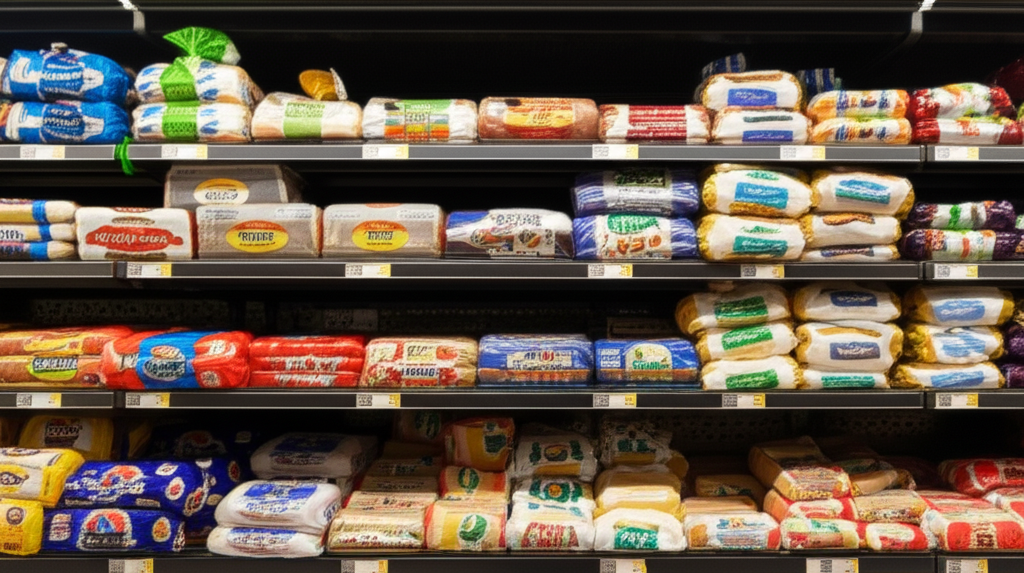
Florida Tests Find Glyphosate in 75% of Popular Bread Brands
Six out of eight popular bread products sold in American grocery stores contain glyphosate, the weed-killing chemical...
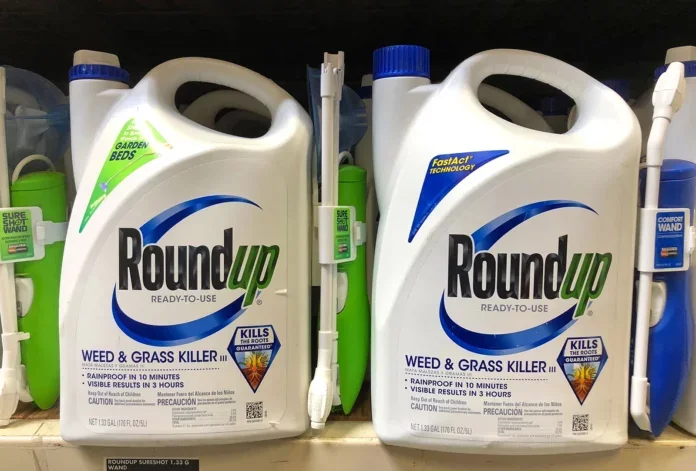
Appeals Court Delivers Stunning $1.5 Billion Blow to Monsanto in Landmark Roundup Cancer Verdict
Record-Setting Verdict Upheld: Missouri appeals court stands firm on a $1.5 billion jury award against Monsanto,...
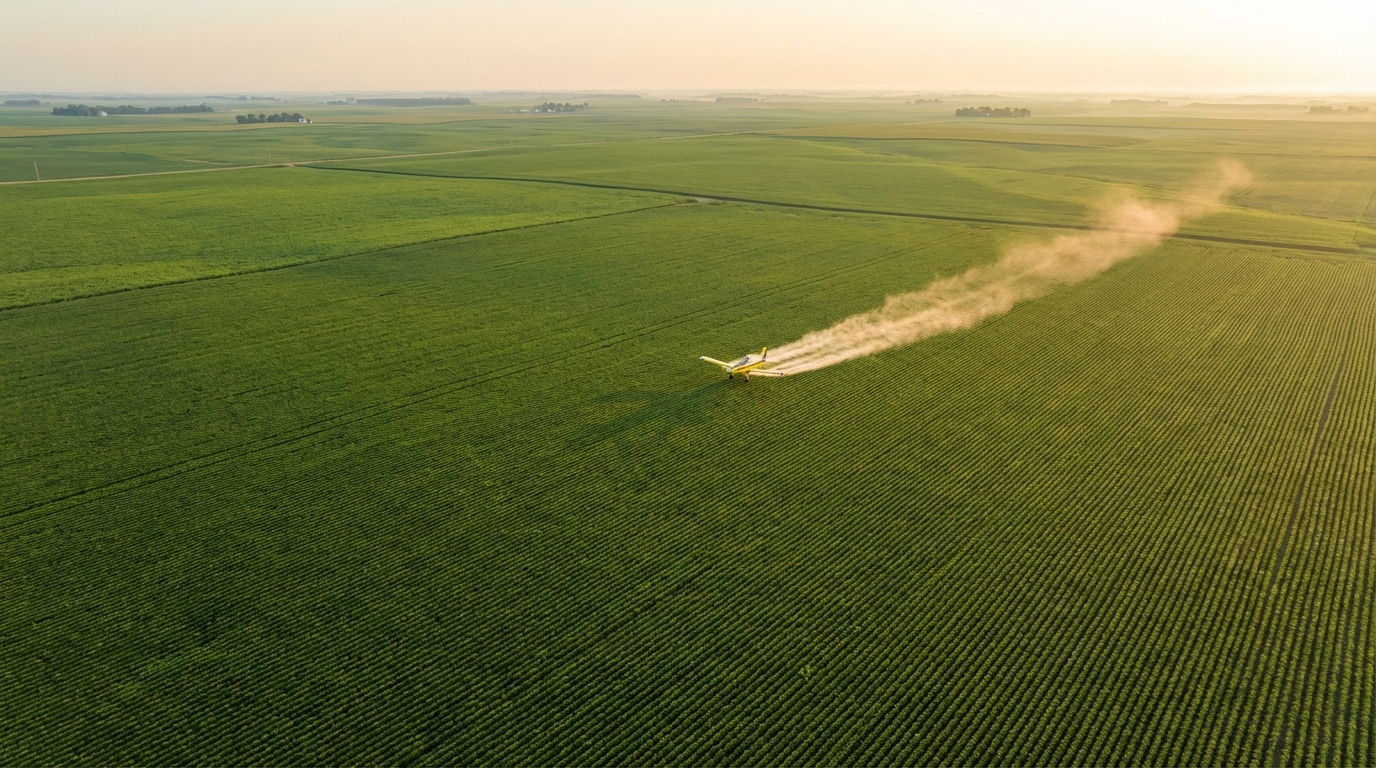
Glyphosate Cuts Birth Weights Across Rural America, 9 Million Births Study Finds
The most widely used herbicide in the United States is making babies smaller at birth. A study published in the...