‘Safer’ Plastic Additives BPF and BPS May Be Just as Harmful as BPA
By VeriFoods
Recent research led by Professor José Villalaín at Miguel Hernández University of Elche (UMH) in Spain is raising new concerns about the safety of common plastic additives. Published in the Journal of Xenobiotics, this study uses advanced computer simulations to examine how bisphenol analogs--specifically bisphenol F (BPF) and bisphenol S (BPS)--interact with complex biological membranes. The findings suggest that these so-called 'safer' alternatives to bisphenol A (BPA) may not be as harmless as previously thought.
What are bisphenols and why does it matter?
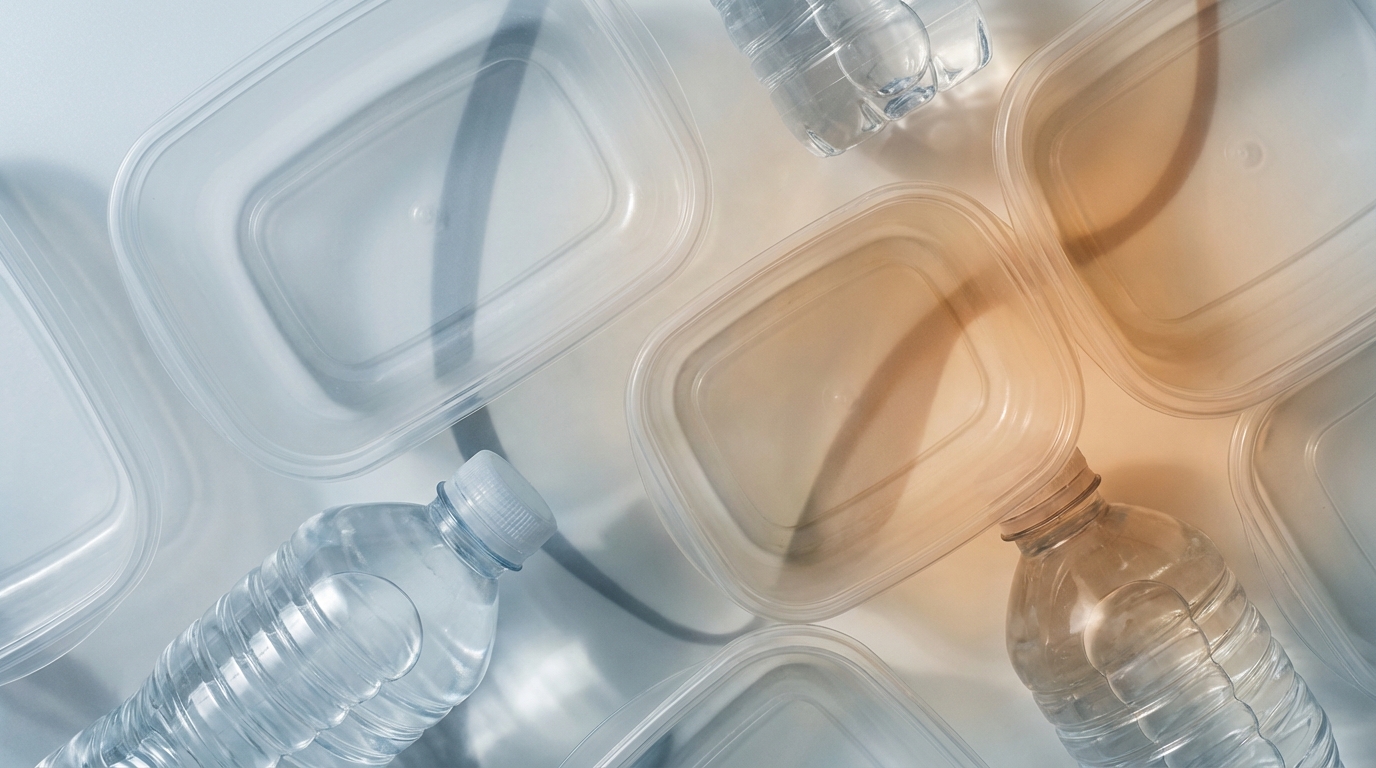
Bisphenols are a group of chemicals widely used in the production of plastics and resins, found in everyday items like water bottles, food containers, metal can linings, toys, and even cosmetics. BPA, the most well-known bisphenol, has been linked to a range of health problems, including hormone disruption, obesity, diabetes, and infertility. Due to these risks, BPA has faced increasing regulation, especially in Europe, where authorities have classified it as a health concern for people of all ages.
In response, manufacturers have shifted to using BPF and BPS, marketing them as safer alternatives. However, Professor Villalaín's study challenges this assumption. Using molecular dynamics simulations, the research team analyzed how BPA, BPF, and BPS accumulate in and interact with human cell membranes. The results showed that BPF and BPS behave almost identically to BPA, accumulating within the lipid layers of the membrane and potentially disrupting the normal signaling processes that are crucial for cell function.
Why is membrane accumulation important?
Cell membranes are not just passive barriers; they play a vital role in regulating what enters and exits the cell, as well as facilitating communication between cells. When chemicals like bisphenols build up in these membranes, they can interfere with the cell's ability to send and receive chemical messages. This disruption is believed to contribute to a variety of health issues, including metabolic disorders such as obesity and diabetes, as well as reproductive problems.
The study also points out that BPF and BPS, like BPA, are endocrine disruptors. These are substances that can interfere with the body's hormone systems, potentially leading to long-term health effects. Notably, recent studies have found increasing levels of BPF and BPS in urine samples from European adults, and their presence has been linked to higher risks of cardiovascular disease, cancer, and other chronic conditions.
Will this change make a difference?
Despite being marketed as safer, BPF and BPS may carry similar risks as BPA. According to Professor Villalaín, "Given the environmental and health importance of these molecules, the use of these bisphenols should be discontinued due to the risks they may pose to human and animal health." The research adds to a growing body of evidence suggesting that simply swapping one bisphenol for another does not eliminate the underlying health concerns.
At VeriFoods, we take these findings seriously. Our approach is guided by the precautionary principle: we believe food should be as close to its natural state as possible, and we advocate for minimizing exposure to synthetic chemicals whose long-term effects are not fully understood. That is why we test thousands of products for a wide range of bisphenols--including BPA, BPF, and BPS--as well as other contaminants like heavy metals, pesticides, microplastics, and PFAS.
*💬 Does your family regularly use canned foods or plastic food containers?
Share your thoughts on these findings and your experiences with bisphenol-free products in the comments below!
Reference:
Villalaín, J. "Bisphenol F and Bisphenol S in a Complex Biomembrane: Comparison with Bisphenol A." Journal of Xenobiotics, 3 September 2024. DOI: 10.3390/jox14030068
Related Articles
The Chemicals in Your Blood You've (Probably) Never Heard Of
PFAS are a family of over 14,000 synthetic compounds—are found in non-stick pans, waterproof clothing, food packaging,...
UK Proposes Sweeping Ban on BPA in Food Packaging for Safer Eating
By VeriFoods The UK is considering a significant move to protect public health by proposing a ban on Bisphenol A (BPA)...
EU Bans BPA in All Food Packaging While FDA Calls It 'Safe'
On January 20, 2025, the EU banned BPA and other bisphenols from all food packaging after concluding the safe daily...