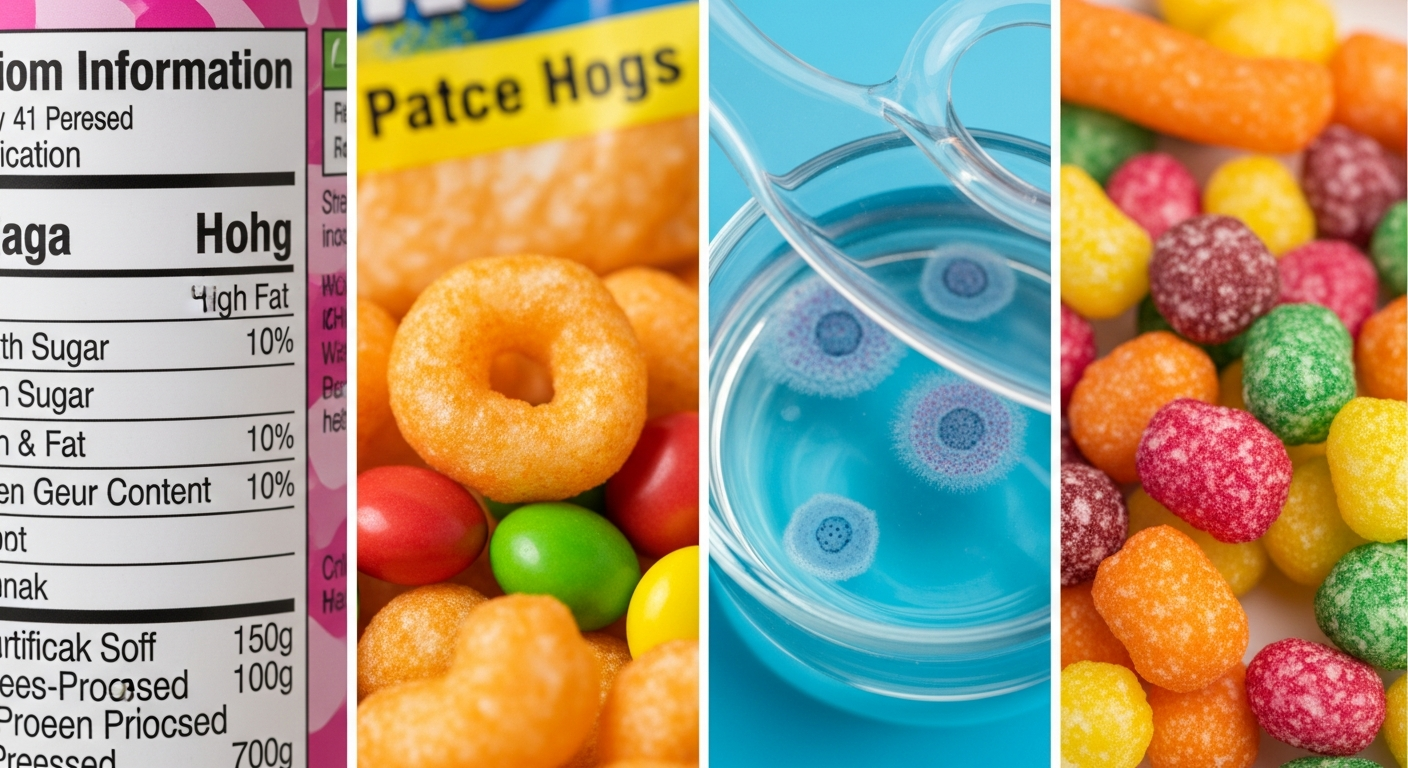
Ultra-Processed Foods Linked to 41% Higher Lung Cancer Risk in Major Study
A Harvard T.H. Chan School of Public Health study has revealed a disturbing link between ultra-processed foods and lung cancer. Researchers analyzing data from 101,732 participants found that those who consumed the most ultra-processed foods faced a 41% higher risk of developing lung cancer compared to those who consumed the least.
The research, published in the journal Thorax in July 2025, tracked participants from the Prostate, Lung, Colorectal and Ovarian (PLCO) Cancer Screening Trial over 12.2 years. Researchers identified 1,706 lung cancer cases among adults aged 55 to 74 during the follow-up period.
Context
Ultra-processed foods have become staples in the American diet. These foods undergo extensive industrial processing and contain additives like preservatives, artificial colors, and flavor enhancers rarely used in home cooking. Examples include lunch meats, soft drinks, frozen dinners, fried foods, instant noodles, and processed baked goods.
Previous research has linked ultra-processed food consumption to obesity, type 2 diabetes, and cardiovascular disease. This study adds lung cancer to that list. It marks the first major investigation into the connection between heavily processed foods and lung cancer risk.
The Findings
The Harvard study found a clear dose-response relationship. Participants in the highest consumption category ate nearly 3 servings of ultra-processed foods daily (lunch meats, soft drinks, frozen foods, fried items, instant noodles, and processed baked goods).
Risk levels varied by lung cancer type. Non-small cell lung cancer (NSCLC), the most common form, showed a 37% increased risk among high consumers. Small cell lung cancer (SCLC), a more aggressive form, showed a 44% increased risk.
These findings held up after researchers controlled for smoking status, body mass index, and other known risk factors. The consistent association across different lung cancer subtypes suggests ultra-processed foods may play a direct role in cancer development.
What Experts Say
The observational design cannot definitively prove causation, but the strength and consistency of the findings have prompted researchers to call for dietary changes. Harvard T.H. Chan School of Public Health noted the study adds to growing evidence linking ultra-processed foods to serious health conditions.
The research team emphasized the dose-response relationship. Higher consumption levels correlated with greater risk. Reducing intake of these foods could potentially lower lung cancer rates at a population level.
What This Means for You
This research provides another compelling reason to cut back on ultra-processed foods. Completely avoiding them may be unrealistic, but limiting the highest-risk items (lunch meats, soft drinks, frozen dinners, fried foods) is a practical starting point.
Reading ingredient lists matters more than ever. Tools like VeriFoods help identify ultra-processed foods by scanning products and revealing hidden additives and processing levels. The app highlights which foods to keep and which to avoid.
When shopping, prioritize whole foods and minimally processed options. Fresh fruits and vegetables, whole grains, lean proteins, foods with short ingredient lists. When convenience requires processed foods, choose products with minimal additives.
This study highlights a key point: processing level matters as much as nutritional content. A food might meet basic nutritional guidelines but still pose health risks if heavily processed. Reducing ultra-processed food consumption could significantly impact long-term health.
Sources
- Harvard T.H. Chan School of Public Health - "Eating ultra-processed foods may increase lung cancer risk" - 2025. https://hsph.harvard.edu/news/eating-ultra-processed-foods-may-increase-lung-cancer-risk/
- The ASCO Post - "Ultraprocessed Food Consumption Linked to Increased Lung Cancer Risk" - August 2025. https://ascopost.com/news/august-2025/ultraprocessed-food-consumption-linked-to-increased-lung-cancer-risk/
- CNN Health - "How processed your food is could put you at higher risk for lung cancer, study suggests" - July 29, 2025. https://www.cnn.com/2025/07/29/health/ultraprocessed-foods-lung-cancer-wellness
Related Articles
The FDA Promised to Ban Artificial Food Dyes. Instead, It Rewrote the Rules.
The FDA quietly abandoned its pledge to eliminate six synthetic food dyes by 2026, pushed the deadline to 2027, and...
The GRAS Loophole Is Closing: Senate Bill Would Force Companies to Disclose Every Food Ingredient to FDA
The Better Food Disclosure Act, introduced November 6, 2025, would end the self-affirmed GRAS pathway that has allowed...
Arizona Bans 11 Food Additives in School Meals, a First for Any U.S. State
On April 14, 2025, Arizona Governor Katie Hobbs signed House Bill 2164 into law, making Arizona the first state in the...