West Virginia Signs Strictest Food Dye Ban in U.S. History as 20+ States Follow
On March 24, 2025, West Virginia Governor Patrick Morrisey signed into law the most comprehensive food additive ban any U.S. state has ever passed. House Bill 2354 bans seven synthetic food dyes and two chemical preservatives from all food sold in the state, with a full ban taking effect January 1, 2028. The food industry says the law effectively outlaws 60% of grocery store products.
Three days earlier, Virginia Governor Glenn Youngkin signed a separate bill targeting the same seven dyes in school meals. And across the country, lawmakers in more than 20 states introduced similar restrictions during the 2025 legislative session, according to the Environmental Working Group. The bipartisan momentum is unlike anything the food additive industry has faced before.
Nine Substances, One Law
West Virginia's law targets seven synthetic food dyes: Red 3, Red 40, Yellow 5, Yellow 6, Blue 1, Blue 2, and Green 3. It also bans two preservatives: BHA (butylated hydroxyanisole), which has been linked to cancer, and propylparaben, which the EWG reports is linked to reproductive and hormone system harm.
The ban rolls out in two phases. Starting August 1, 2025, none of these nine substances can appear in school meals served anywhere in the state. By January 1, 2028, they are banned from all food sold in West Virginia, according to CBS News.
The law amends West Virginia Code Section 16-7-2 to classify any food containing these ingredients as "adulterated," per the Haynes Boone legal analysis. That is the same legal designation applied to food contaminated with bacteria or foreign objects. A bag of candy with Red 40 would carry the same regulatory status as a jar of peanut butter with glass shards in it.
"By eliminating harmful chemicals from our food, we're taking steps toward improving the health of our residents and protecting our children from significant long-term health and learning challenges," Governor Morrisey said at the signing ceremony, according to CBS News. HHS Secretary Robert F. Kennedy Jr. attended the event.
Why These Dyes Are Under Fire
All seven synthetic dyes banned by West Virginia are petroleum-based colorants. They make candy brighter, cereal more colorful, and sports drinks more vivid. They serve no nutritional purpose. Their only function is visual.
The scientific concern centers on children. A 2021 reassessment by the California EPA found evidence linking synthetic dye consumption to neurobehavioral effects in children, according to Chemical & Engineering News. That reassessment was a key driver behind California's 2023 law banning Red 3 from school foods, and it has fueled the wave of state legislation that followed.
The FDA itself revoked authorization for Red 3 (also called erythrosine) on January 15, 2025, after lab evidence showed it could induce cancer in animals, as CBS News reported. But that federal action only covered one dye. The remaining six dyes on West Virginia's banned list still carry full FDA authorization for food use, according to the Haynes Boone analysis. West Virginia's law goes further than any federal action by banning all seven at once.
BHA, one of the two preservatives banned alongside the dyes, has been linked to cancer in animal studies. Propylparaben, the other, is an endocrine disruptor linked to reproductive harm. The EWG has called for restrictions on both substances for years.
The 60% Problem
The food industry's response has been alarm. Kevin Keane, President and CEO of the American Beverage Association, warned that "West Virginia families will face higher food prices and a scarcity of available products in stores because this law effectively outlaws 60% of grocery store food items," according to Chemical & Engineering News.
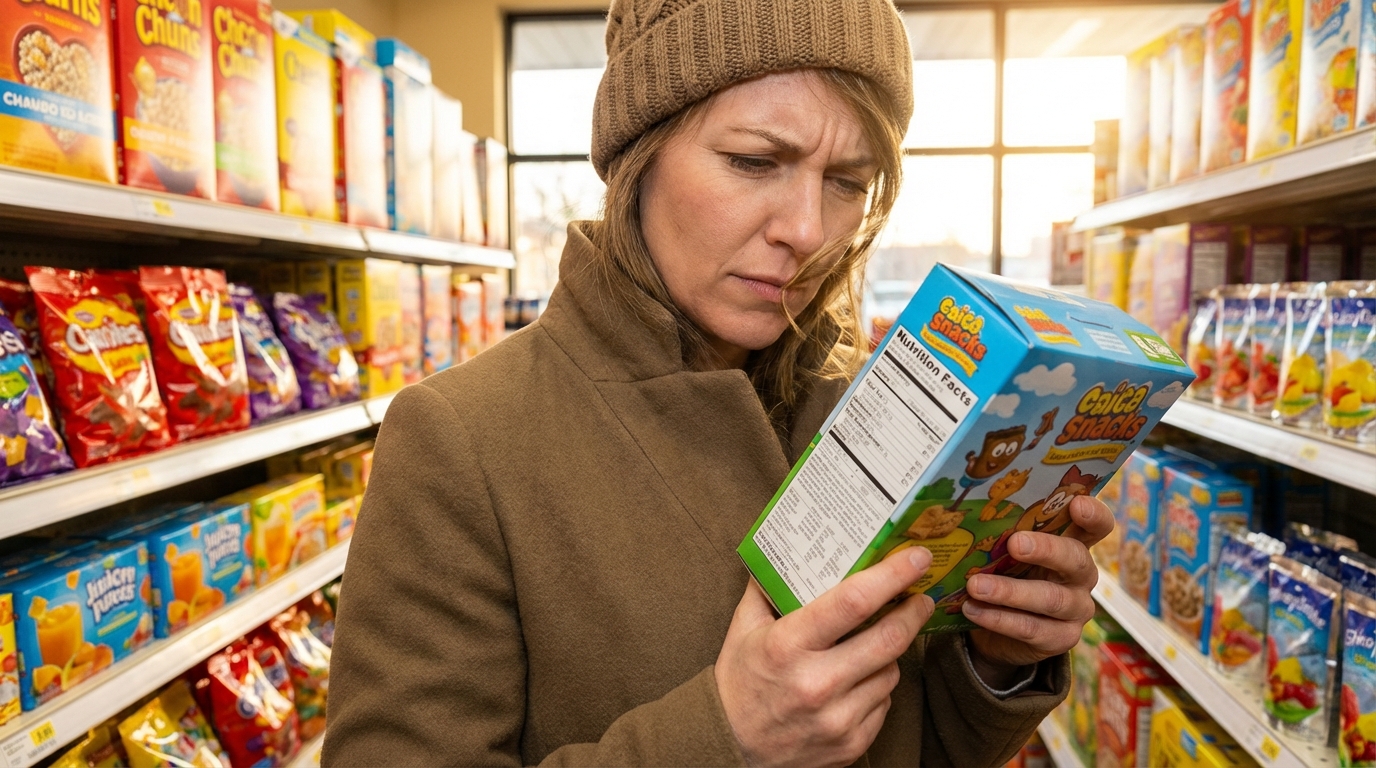
That statistic reveals just how deeply embedded synthetic dyes and preservatives are in the American food supply. Walk through any grocery store and count the packaged products that contain at least one of the nine banned substances: breakfast cereal, salad dressing, children's vitamins, yogurt, snack bars. The majority of what lines the shelves would fail West Virginia's new standard.
Governor Morrisey has argued the 2028 deadline gives manufacturers nearly three years to reformulate, which he says is ample time to adjust without raising consumer prices, per the Chemical & Engineering News report. The food industry disagrees. But many of these same dyes are already restricted or banned in the European Union, where manufacturers successfully reformulated their products years ago. Fanta is orange in Europe without Yellow 6. Skittles are colorful without Red 40.
Virginia Moves on Schools
Three days before West Virginia's signing, Virginia became the second state (after California) to ban synthetic dyes from school meals. Governor Glenn Youngkin signed SB 1289 on March 21, 2025, as documented by Haynes Boone.
Virginia's law targets the same seven dyes but limits the ban to school breakfast, lunch, and competitive foods. It takes effect July 1, 2027. The Virginia legislature passed the bill unanimously, a signal of how broad the political support for these restrictions has become.
The Virginia approach mirrors what California did in 2023: start with schools, where the argument for protecting children from unnecessary chemical additives is hardest to oppose. West Virginia skipped that incremental step and went straight to a full statewide ban on all food sales.
A Bipartisan Wave
The political geography of this movement defies easy categorization. California, one of the most Democratic states in the country, started it. West Virginia, one of the most Republican, signed the strongest version. Virginia, a purple state, passed its bill unanimously.
By March 2025, lawmakers in more than 20 states had introduced bills restricting food dyes or chemical additives, according to EWG. The EWG's Scott Faber summarized the common ground: "Everyone agrees that our food should be safe, especially food offered at school."
Brian Ronholm, Director of Food Policy at Consumer Reports, told Chemical & Engineering News that the state-level action reflects a gap at the federal level. "There needs to be a strong federal oversight system for food chemicals and dyes, but that just doesn't exist right now at the FDA," Ronholm said.
That gap between what states are willing to do and what the FDA has done is the central tension of this moment. The FDA pulled one dye. States are pulling seven, plus preservatives. The federal government took 35 years to ban Red 3 from food after banning it from cosmetics. States are moving in months.
A Patchwork Problem for Consumers
As different states pass different laws with different timelines and different lists of banned substances, the result is a regulatory patchwork. A product legal in one state may be illegal in the next. A school lunch that meets Virginia's requirements may not meet West Virginia's, since West Virginia also bans BHA and propylparaben.
For consumers, this creates confusion. Which products comply with your state's laws? Which contain substances your state has banned but that are still technically FDA-approved? The answers change depending on where you live and which products you buy.
Food safety tools like VeriFoods can help consumers track which products contain synthetic dyes and preservatives, regardless of what their state has banned. As the regulatory map shifts, having a way to check specific products against specific ingredients becomes more than convenient. It becomes necessary.
What Happens Next
The food industry has two options: fight the laws in court or reformulate. Legal challenges are likely, particularly given that six of the seven banned dyes still carry FDA authorization. The argument that state laws are preempted by federal food safety regulation will almost certainly be tested.
But the political momentum points in one direction. More states are introducing bills, not fewer. The signing ceremonies are getting more prominent, not quieter. And every parent who reads that 60% of grocery store items contain the substances being banned from their children's school cafeterias will have the same question: why are these chemicals still in the food at all?
Sources
- https://www.cbsnews.com/news/west-virginia-food-dye-ban-preservatives-harmful-health-effects/ - CBS News, "West Virginia bans 7 artificial food dyes, citing potentially harmful health effects," March 25, 2025
- https://cen.acs.org/food/food-ingredients/West-Virginia-enacts-nations-first/103/web/2025/03 - Chemical & Engineering News (ACS), "West Virginia enacts nation's first broad ban on synthetic food dyes," March 2025
- https://www.ewg.org/news-insights/statement/2025/03/ewg-statement-west-virginia-bill-advancing-ban-harmful-food-dyes - EWG, "EWG statement on West Virginia bill advancing to ban harmful food dyes, chemicals," March 5, 2025
- https://www.haynesboone.com/news/alerts/virginia-legislature-unanimously-votes-to-ban-food-dyes-in-school-meals - Haynes Boone, "Virginia Legislature Unanimously Votes to Ban Food Dyes in School Meals," March 2025
- https://www.haynesboone.com/news/alerts/west-virginia-enacts-broad-ban-on-several-food-dyes-and-additives - Haynes Boone, "West Virginia Enacts Broad Ban on Several Food Dyes and Additives," March 2025
Related Articles
Texas Becomes First State to Require Warning Labels on Foods with Additives Banned in Other Countries
Texas Governor Greg Abbott signed SB 25, the "Make Texas Healthy Again" bill, mandating bold warning labels on packaged...
UK Proposes Sweeping Ban on BPA in Food Packaging for Safer Eating
By VeriFoods The UK is considering a significant move to protect public health by proposing a ban on Bisphenol A (BPA)...
FDA Bans Red Dye No. 3 After 35 Years of Inaction
On January 15, 2025, the FDA revoked its authorization for Red Dye No. 3 in food and ingested drugs. The agency cited a...