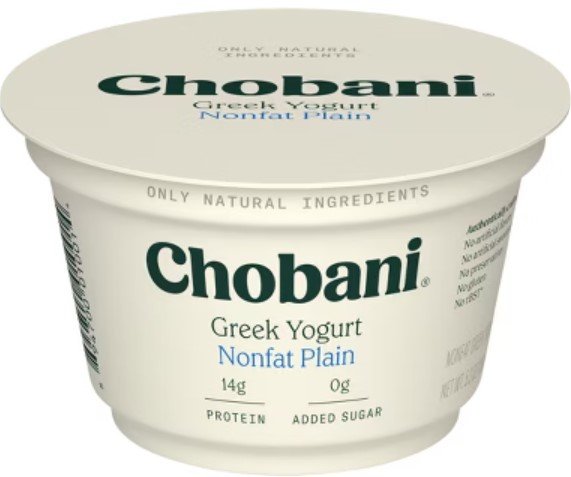
Chobani's 'Natural' Yogurt Contained 4 Plastic Chemicals, Lawsuit Alleged
Independent testing found four types of phthalates, chemicals the EPA has classified as probable human carcinogens, in Chobani Greek yogurt sold as containing "only natural ingredients." The chemicals likely migrated from the polypropylene plastic containers into the food inside them, according to the class-action complaint filed in April 2025.
The lawsuit was ultimately headed for dismissal. But the lab results that triggered it tell a broader story about what plastic packaging does to the food it holds, and why the FDA has refused to act.
What Are Phthalates, and How Did They Get in Yogurt?
Phthalates are synthetic chemicals used to make plastic flexible and durable. In food packaging, they serve as a catalyst for bonding polypropylene molecules, according to an industry analysis published by Placon, a packaging manufacturer. Polypropylene is the plastic used in most yogurt cups, deli containers, and single-serve food packaging.
These chemicals do not stay locked inside the plastic. They migrate into food over time, particularly into fatty foods. Yogurt, with its fat content and extended shelf life in plastic containers, is especially vulnerable to this kind of leaching.
The nonprofit PlasticList conducted independent testing on Chobani nonfat plain and whole milk plain Greek yogurts and found four distinct phthalates: DEHP, DEP, DBP, and DEHT. According to ClassAction.org's reporting on the case, the chemicals "likely originated from the products' plastic containers and leached into the yogurt over time."
The Lawsuit and Its Outcome
California resident Amy Wysocki filed the class-action complaint on April 16, 2025, in the U.S. District Court for the Southern District of California (Case No. 3:25-cv-00907-JES-VET). The suit alleged that Chobani "falsely marketed products as containing 'only natural ingredients' while allegedly knowing about or negligently failing to test for chemical contamination," as reported by ClassAction.org.
The complaint cited violations of California's Consumer Legal Remedies Act, the Unfair Competition Act, and the False Advertising Law. It was not the first time Chobani had faced consumer fraud allegations. Top Class Actions reported that the company dealt with a similar class action in 2023 over false "no sugar" claims on certain products.
The legal effort did not hold. According to Snopes, a fact-checking outlet that reviewed the case, the court indicated during an August 2025 hearing that it would dismiss the complaint. No regulatory agency has confirmed phthalates in Chobani products through its own testing, and Chobani has not been found legally liable.
That dismissal does not erase the lab results. PlasticList's independent testing still found what it found. The legal threshold for a successful class action is different from the scientific question of whether plastic chemicals are migrating into food. Courts require proof of intent or negligence. Chemistry only requires contact and time.
The Problem Is Bigger Than Chobani
PlasticList did not only test Chobani. According to Placon's analysis of the broader findings, the nonprofit also detected phthalates in products from Ghirardelli, Coca-Cola, Starbucks, and Gerber. That last name should stop parents cold: Gerber is one of the most widely purchased baby food brands in the country.
The pattern suggests this is not a single company cutting corners. It is a systemic feature of how the food industry packages products in plastic.
The EPA has classified certain phthalates as "probable human carcinogens," according to Top Class Actions' reporting on the lawsuit. Research has linked phthalate exposure to reproductive issues, thyroid dysfunction, and developmental problems in children, according to Placon's industry review. These chemicals are endocrine disruptors. They interfere with the hormonal systems that regulate growth, metabolism, and reproductive function. For a developing child eating Gerber products packaged in plastic, the exposure starts early and accumulates over years.
The FDA's Position: Nine Phthalates Allowed, Zero Banned
The FDA currently permits nine different phthalates for use in food-contact plastics. Nine. That is not a legacy oversight from decades past. In 2022, advocacy groups formally petitioned the FDA to ban phthalates from food contact materials entirely. The agency declined, citing "insufficient evidence," according to Placon's reporting.
This creates a regulatory gap that consumers cannot see. A yogurt container labeled "only natural ingredients" refers to what the company put into the yogurt, not what the packaging put into it. The FDA does not require companies to test for or disclose chemicals that migrate from packaging into food. A product can be technically truthful about its ingredients while containing synthetic chemicals that leached in after the label was printed.
The petition denial is particularly striking given the EPA's own classification of certain phthalates as probable carcinogens. Two federal agencies looking at overlapping chemicals have reached fundamentally different conclusions about the level of risk, and the one responsible for food safety chose inaction.
What Consumers Can Do
Avoiding phthalates entirely is nearly impossible in a food system built on plastic packaging. But specific choices reduce exposure.
Transfer yogurt, cheese, and other fatty foods into glass or stainless steel containers after purchase. Fat accelerates phthalate migration, so the less time these foods spend in plastic, the better. Never microwave food in plastic containers. Heat dramatically speeds chemical leaching. When shopping, treat the word "natural" on labels as a description of the recipe, not a safety certification for the packaging.
Reading ingredient lists will not help here. Phthalates are not ingredients. They are stowaways.
Independent testing is the only way to know what is actually in a product beyond its ingredient list. Tools like VeriFoods allow consumers to scan product barcodes and check whether items have been tested for contaminants that do not appear on labels, including chemicals that migrate from packaging.
The Chobani lawsuit failed in court. But the question it raised has no legal answer: when the container is the contaminant, who is responsible for telling consumers?
Sources
- https://www.classaction.org/news/toxic-man-made-chemicals-found-in-certain-natural-chobani-yogurts-class-action-lawsuit-alleges
- https://topclassactions.com/lawsuit-settlements/lawsuit-news/chobani-yogurt-class-action-filed-over-toxic-plastic-chemicals/
- https://www.placon.com/resources/news/phthalates-in-plastic-packaging-chobani-lawsuit-breakdown/
- https://www.snopes.com/fact-check/chobani-lawsuit-cancer/
Related Articles
‘Safer’ Plastic Additives BPF and BPS May Be Just as Harmful as BPA
By VeriFoods Recent research led by Professor José Villalaín at Miguel Hernández University of Elche (UMH) in Spain is...
UK Proposes Sweeping Ban on BPA in Food Packaging for Safer Eating
By VeriFoods The UK is considering a significant move to protect public health by proposing a ban on Bisphenol A (BPA)...
EU Bans BPA in All Food Packaging While FDA Calls It 'Safe'
On January 20, 2025, the EU banned BPA and other bisphenols from all food packaging after concluding the safe daily...