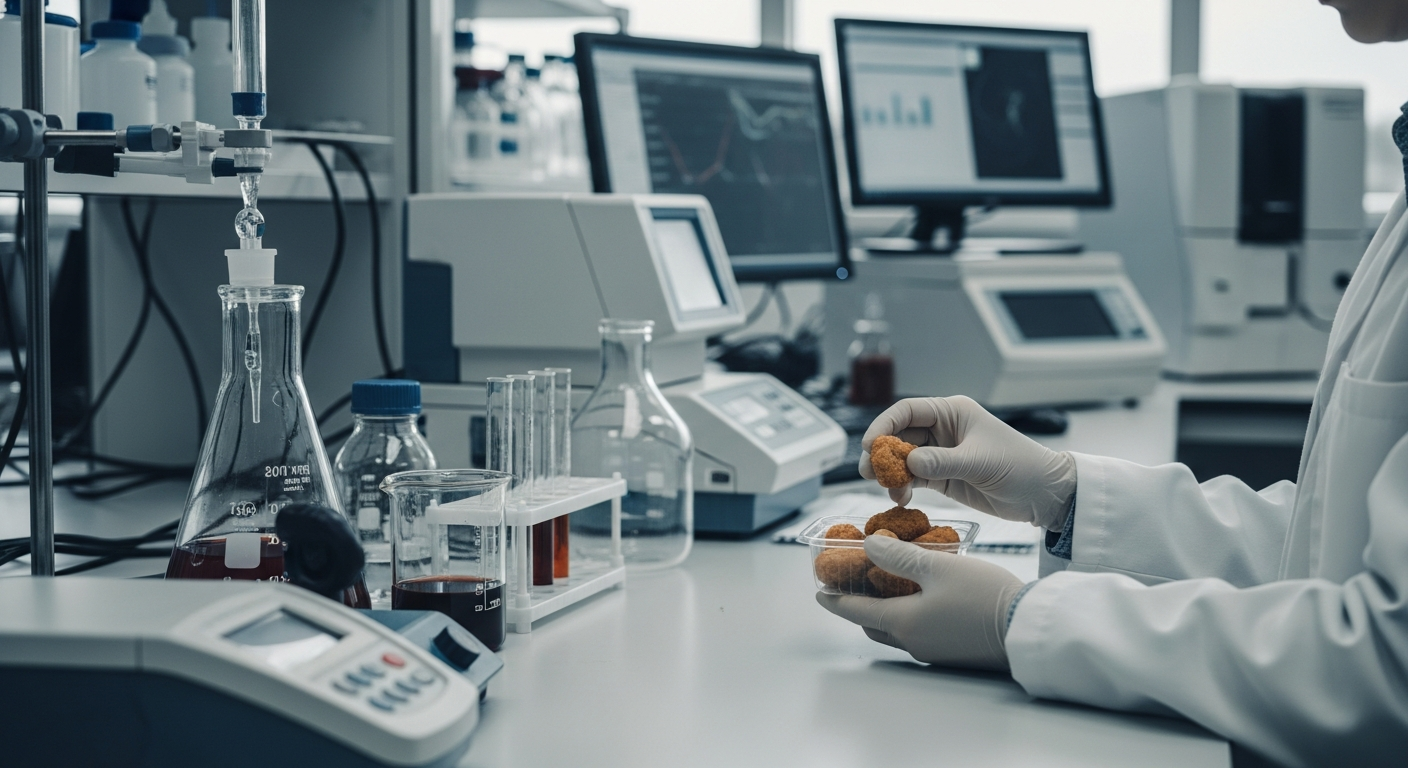
Wendy's Chicken Nuggets Contain 34,000 Nanograms of Phthalates Per Serving
Consumer Reports tested 85 food products and found phthalates in 99% of samples. These chemicals interfere with hormones and have been linked to insulin resistance, reproductive harm, and early menopause. The most shocking result: a single serving of Wendy's Crispy Chicken Nuggets contained 33,980 nanograms of total phthalates.
Context
Phthalates are a class of endocrine-disrupting chemicals used to make plastics flexible. They appear in food processing equipment, packaging materials, and industrial coatings. These chemicals interfere with hormone function in the human body, contributing to insulin resistance, disrupting reproductive development, and accelerating menopause onset in women. Despite their widespread use, phthalates have been restricted in children's toys in many jurisdictions due to health concerns, yet they remain largely unregulated in the food supply.
The Consumer Reports study tested for BPA, BPF, BPS, ten phthalates, and three phthalate replacement chemicals across a diverse range of products from both supermarkets and popular fast food chains. The results show that chemical contamination is not limited to packaged foods or items stored in plastic. Even fresh-prepared fast food contains significant levels of these compounds.
The Findings
Phthalates appeared in 99% of all samples tested, with fast food items showing the highest contamination levels. Wendy's Crispy Chicken Nuggets led the list with 33,980 nanograms of phthalates per serving. Moe's Southwest Grill chicken burrito contained 24,330 nanograms, while Chipotle's chicken burrito registered 20,579 nanograms. A Burger King Whopper with cheese exceeded 20,000 nanograms as well.
BPA was found in 79% of samples, despite years of "BPA-free" marketing campaigns by food companies. The testing revealed that alternative chemicals (including BPF, BPS, and phthalate replacements like DEHA and DEHT) are increasingly used before their long-term health effects are fully understood. Many food samples contained multiple endocrine-disrupting chemicals simultaneously, raising concerns about cumulative exposure effects.
The contamination pathways are more complex than most consumers realize. Phthalates enter food through packaging materials, processing equipment conveyor belts, employee gloves worn during food preparation, contaminated irrigation water, and soil where plants are grown. Even foods prepared without plastic packaging can contain significant phthalate levels. Consumers cannot avoid this contamination through purchasing choices alone.
What Experts Say
Consumer Reports, a consumer advocacy organization with decades of independent testing experience, conducted this research to document the extent of plasticizer contamination in the American food supply. The organization's findings align with health research showing that chronic low-dose phthalate exposure adversely affects the endocrine system, organ function, pregnancy outcomes, child development, and reproductive health.
Food safety researchers have noted that current regulatory limits for phthalates and BPA do not align with the latest science on lower-dose chronic exposure risks. This gap is concerning for children and pregnant women, who are more vulnerable to endocrine disruption and who frequently consume processed and fast food.
What This Means for You
The widespread presence of phthalates across both fast food and supermarket products shows a systemic contamination issue that individual consumers cannot solve through brand switching or packaging choices. These chemicals are invisible and tasteless. Lab testing is the only way to detect and quantify their presence.
Parents who regularly purchase chicken nuggets, burritos, and other fast food items for their children are unknowingly exposing them to endocrine disruptors at levels far exceeding what's found in many whole foods. "BPA-free" labels and alternative packaging materials have not eliminated the problem, showing the need for thorough testing data and regulatory reform.
VeriFoods provides transparent lab testing data on thousands of products, including measurements of endocrine-disrupting chemicals, heavy metals, pesticides, and other contaminants. Unlike ingredient lists or marketing claims, lab results reveal what's actually in your food.
Sources
- Consumer Reports - "The Plastic Chemicals Hiding in Your Food" - 2024. https://www.consumerreports.org/health/food-contaminants/the-plastic-chemicals-hiding-in-your-food-a7358224781/
- CBS Boston - "Many fast foods contain tiny plastics, according to Consumer Reports study" - 2024. https://www.cbsnews.com/boston/news/consumer-reports-study-plastics-in-food-study-phthalates/
- Food Safety Magazine - "High Levels of Toxic Plasticizers Phthalates, Bisphenols Found in Nearly All Foods in U.S." - 2025. https://www.food-safety.com/articles/9146-high-levels-of-toxic-plasticizers-phthalates-bisphenols-found-in-nearly-all-foods-in-us
Related Articles

Study: Americans Swallow 60,000 Microplastic Particles Daily, Mostly from Vegetables and Grains
A University of Amsterdam study published in Nature Medicine found the average American ingests nearly 60,000...
BPA Replacements May Be Just as Harmful as BPA Itself
McGill University study finds BPA substitutes in food packaging disrupt thousands of genes and kill up to 75% of human...
Chobani's 'Natural' Yogurt Contained 4 Plastic Chemicals, Lawsuit Alleged
Independent testing found four types of phthalates, chemicals the EPA has classified as probable human carcinogens, in...